
The January Breakfast Meeting will be held on Wednesday, January 16, 20189 8:00 am at the Doubletree Guest Suites in Plymouth Meeting, PA. The guest speaker will be Nathan Raab, President of the Raab Collection, a historical autograph dealer in suburban Philadelphia. Mr. Raab will talk about “Historical Documents & Manuscripts.”
 Nathan Raab, who was educated at the University of Pennsylvania, is a dealer in important historical autographs, a historical consultant, a Forbes Contributor since 2011, and serves on the Board of Councilors of the Historical Society of Pennsylvania. He is a co-author of In the Presence of History and a frequent guest on broadcast, print and online outlets including CNN, NBC, CBS, Fox, People, Huffington Post, and the Daily Mail.
Mr. Raab has advised the relatives of famous historical figures (such as Dwight Eisenhower, Thomas Jefferson, and Ronald Reagan), as well as lifelong collectors and their families, as they sell their treasures. He has also advised national institutions, such as the Smithsonian, the National Constitution Center, the Abraham Lincoln Presidential Museum and Library, and the National Museum of American Jewish History, among others.
Nathan Raab is a knowledgeable, authoritative and engaging commentator on American historical documents whose talk is sure to be lively and informative.
 ASA Philadelphia Members: Free
This educational and informative Breakfast Meeting is FREE for ASA Philadelphia Members but requires Registration. Please register early for this Meeting which qualifies for 2 hours credit toward ASA re-accreditation.
 Guests: $25
The Breakfast Meeting is $25 for Guests. Family members, colleagues, and associates are welcome! To Pay online with your major credit card or PayPal go to the ASA Philadelphia Members Only Page, otherwise please make checks payable to ASA Philadelphia Chapter 35.
Please Register or Pay by January 11. Send checks to Anita R. Luciani, Chapter Administrator, by mail to ASA Philadelphia, 1229 Chestnut St PMB 232, Philadelphia, PA 19107-4140.
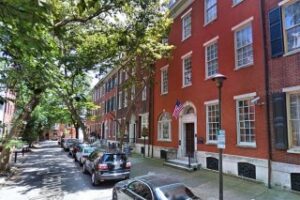 include a buffet dinner and private tour of the Rosenbach townhouses, including the current exhibition,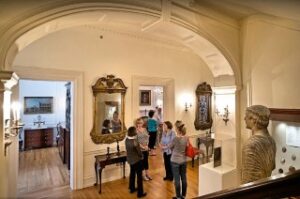
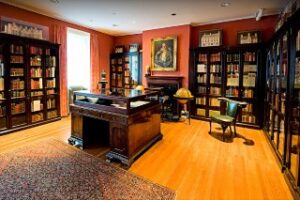 Two other collections deserve special mention. Maurice Sendak, the famed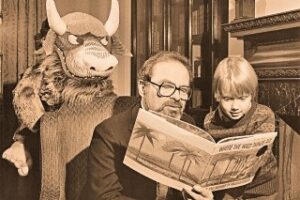
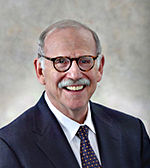 Awards & Appointments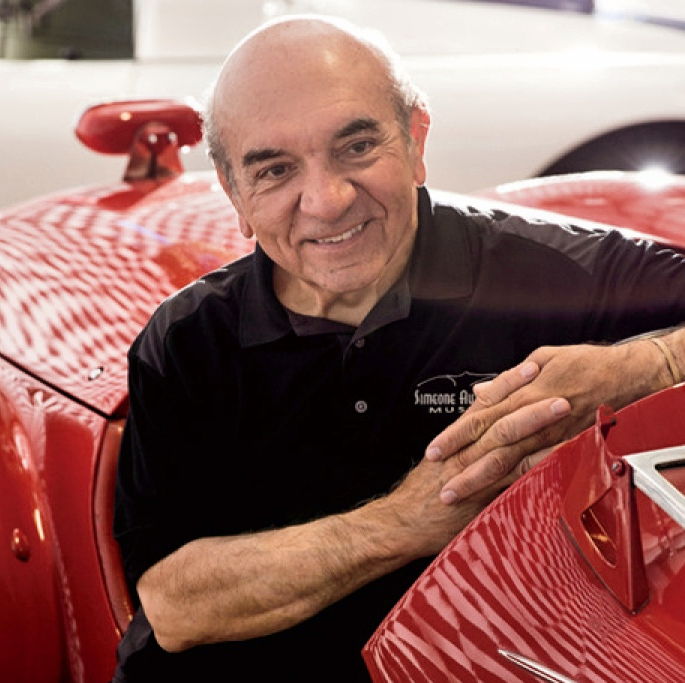
 Dr. Frederick Simeone says he started thinking about cars as historical artifacts after making house calls with his father, a general practitioner. “We would go to junkyards together and then read about what made each car we saw important." His point is that "cars are not always just hobby things. They are representative of certain times and places in history.”
 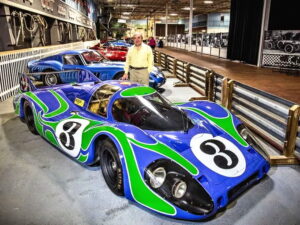 itors from the 1970s. Named Museum of the Year in 2011 by the International Historic Motoring Awards, it displays its vehicles in dioramas, like those at a natural history museum, and on Demonstration Days, Simeone and his curators drive the cars on a three-acre lot behind the museum.
  Vicki Miller left the prestigious law firm of
  pequillo peppers, with flat breads and crusty rolls.
  The Barnes Foundation was established by Albert C. Barnes in 1922 to promote the advancement of education and the appreciation of the fine arts and horticulture. The Barnes holds one of the finest collections of Post-Impressionist and early Modern paintings, with extensive works by Pierre-Auguste Renoir, Paul Cézanne, Henri Matisse, Pablo Picasso, Henri Rousseau, Amedeo Modigliani, Chaim Soutine and Giorgio de Chirico, as well as American masters Charles Demuth, William Glackens, Horace Pippin and Maurice Prendergast, Old Master paintings, important examples of African sculpture and Native American ceramics, jewelry and textiles, American paintings and decorative arts and antiquities from the Mediterranean region and Asia.
 This 15-Hour USPAP Course presents an overview of the USPAP 2014-2015 regulations and guidelines, and fulfills the requirements of appraisal societies for designation, and for USPAP continuing education. The course focuses on the USPAP requirements for ethical behavior and competent performance. The course material emphasizes the role of the appraiser, and includes discussion examples relating USPAP to everyday practice.